
[ad_1]
Opinions expressed by Entrepreneur contributors are their very own.
They reside on-line. They worship influencers. They’re funds buyers. They are not joiners.
These are all acquainted tropes about Gen Z and different younger buyers. Because it seems, they’re all flawed. I’ve acquired the information to show it.
My firm recently surveyed greater than 2,500 youthful, middle-aged and older customers about their procuring habits and preferences. Relating to buyers aged 18-34, the outcomes revealed some basic misunderstandings. That is a giant subject for retailers who’re making an attempt to attach with this essential demographic.
Listed here are 5 myths about youthful buyers that our survey helps dispel — together with a couple of takeaways for retailers.
Associated: This Is the ‘Discovery’ Gen Z Wants to Make In Your Store
Fable No. 1: Youthful buyers favor to purchase issues on-line
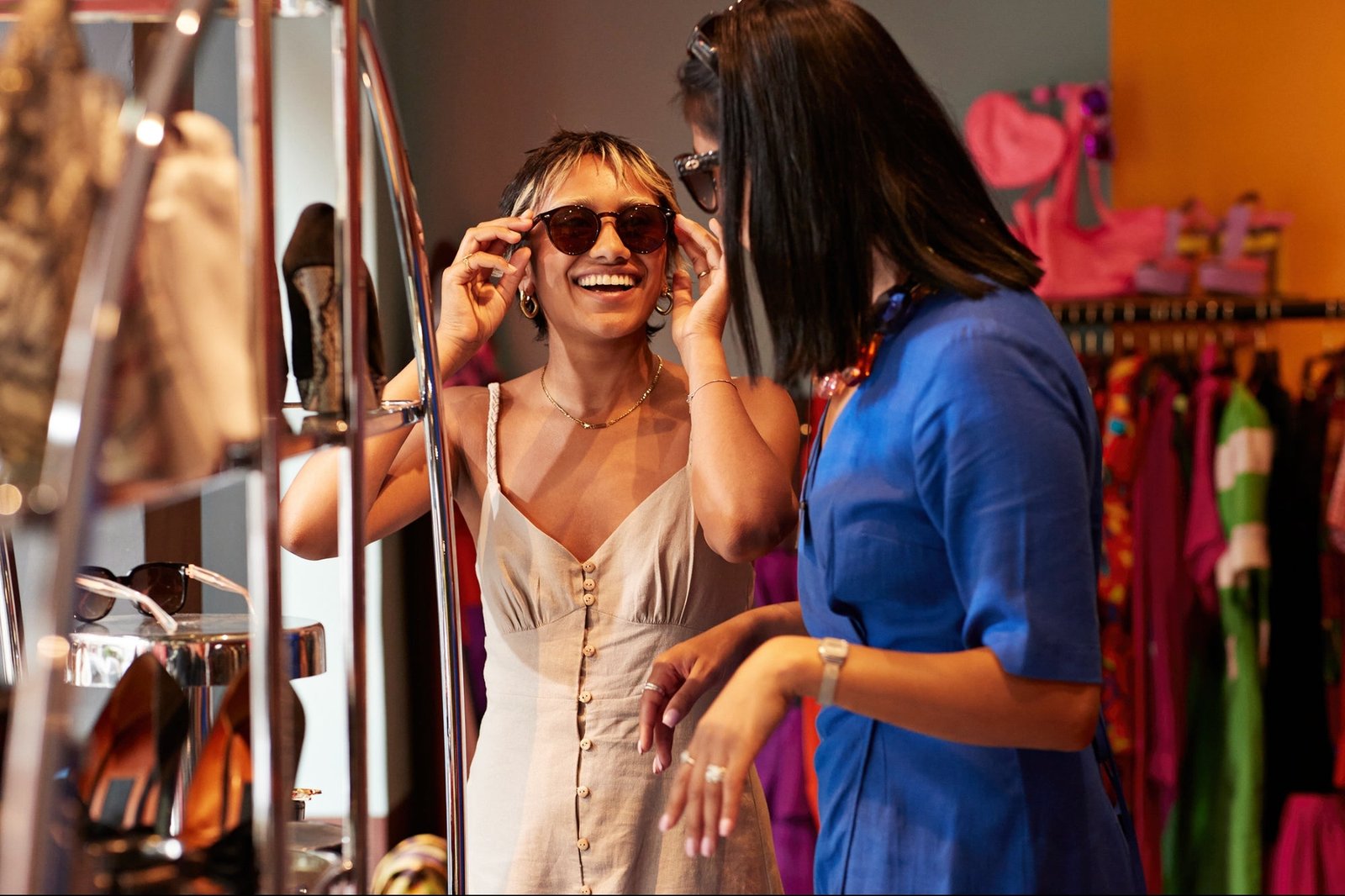
It is turn out to be accepted knowledge that youthful people will not set foot in a brick-and-mortar retailer. Our survey reveals that buyers aged 18-34 like in-person procuring simply as a lot as anybody else. Younger buyers are discovering and interacting with manufacturers on-line, however after deciding what to buy, they usually head in-store. With a couple of exceptions — books, toys and hobbies — that is the place they like to purchase.
So, what does that imply for retailers who wish to attract a younger crowd? It is all about tapping into the facility of in-store procuring. However I am not speaking about experiential procuring gimmicks right here, like free samples or piped-in membership music.
Retailers like Sephora, Starbucks and Dealer Joe’s perceive that what customers actually crave in-store is entry to specialists — individuals who know and reside the product, can reply questions and steer them to smarter selections.
Near dwelling, for instance, that is how they roll at Michel Brisson, a clothes retailer in my Montreal neighborhood. Once I go to, I get a private stylist for an hour or two — employees members who know the manufacturers they promote and have helped me develop an eye fixed for items that work.
Associated: 4 Easy Ways to Improve Your Customers’ Online Shopping Experience
Fable No. 2: Youthful buyers solely take heed to influencers
Until an online influencer recommends a product, Gen Z will not contact it, proper? Hardly. In our survey, simply 12% of youthful individuals mentioned influencers play a task of their shopping for choices, versus 6% for middle-aged customers.t
As an alternative, a wholesome skepticism prevails. Is that influencer making an attempt to assist me or promote to me? More and more, Gen Z customers assume paid influencer partnerships are insincere or annoying.
The truth is that for youthful buyers, influencers are only one supply of retail intel. Like everybody else, they do Google searches, try on-line critiques and scan websites like Reddit.
Have you learnt who youthful buyers truly do belief? Material specialists whose ardour and authenticity trump any follower depend. Once I lately purchased a non-electric bike from Recycle Cycle, one other Montreal retailer, the employees walked me via the totally different choices and actually confirmed their experience.
Fable No. 3: Youthful buyers are low-cost
One other persistent stereotype of Gen Z and youthful millennial customers is that they are tight with a buck. The truth: If an expertise is vital to them, they will open their wallets.
In our survey, Gen Z and millennials have been the demographic most inquisitive about a “VIP” service from retailers, whether or not it is skipping traces, personalized shopping recommendations or early entry to merchandise. They have been additionally the one group the place most mentioned that if an merchandise have been out of inventory, they’d pay greater than the sticker worth to get it instantly from elsewhere.
Why? Used to having rapid entry to simply about any services or products, the 18-to-34 crowd values the power to get issues when they need them, even when it comes at a premium. And in contrast to some older individuals, they’ve grown up with the idea of the VIP expertise. A great instance is music festivals, the place paying further comes with perks like premium seats and personal lounges. Getting access to one other tier of service like this creates a sense of loyalty and funding, whether or not it is attending a live performance or visiting a retailer.
Retailers who wish to make youthful clients really feel particular may steal a web page from Princess Polly. To attraction to Gen Z, its important viewers, the Australian trend model created a tiered VIP program for internet buyers. As they work their approach up from “common admission” to “entrance row,” contributors can entry rewards corresponding to unique gross sales and reward card attracts.
Associated: Why Everyone Wants to Be an Influencer Right Now
Fable No. 4: Youthful buyers aren’t actually joiners
We hear a lot about social isolation within the digital period. Nevertheless, the information means that youthful buyers are hungry to be a part of one thing, together with retail membership communities.
In our survey, nearly 80% of Gen Z and younger millennials have been the group more than likely to subscribe to retail memberships like Amazon Prime. About 20% mentioned they solely patronize shops with whom they’ve subscriptions.
Retailers who feed that urge for food for belonging stand an opportunity of creating lifelong relationships. At root, it is about discovering methods for youthful buyers to combine their very own id with the bigger model expertise, whether or not on-line or IRL.
This is not a radically new idea, after all. Apple, Harley-Davidson and Lululemon all constructed empires on the backs of bought-in tribes of devoted followers.
Extra lately, health manufacturers have jumped on the bandwagon. Peloton’s constructed a thriving customer community the place members compete, join and add mates and followers, whereas British health attire model Gymshark hosts live events that draw hundreds of individuals.
Associated: How to Tap into the U.S. Social Commerce Market Through Millennials and Gen Z
Fable No. 5: Youthful buyers flip to social media for senseless leisure
It is no shock that TikTok is big and has youthful buyers. Our survey confirms that amongst customers aged 18-34, it is the most well-liked single useful resource for partaking with a model. However they don’t seem to be in search of zany dances and 15-second clips.
Youthful individuals more and more flip to TikTok for extra considerate and substantial content material. For them, it is also replacing Google as a search engine. Like different buyers, they’re searching for authenticity and fervour, not a gross sales pitch. Essentially the most profitable manufacturers on TikTok have discovered methods to show their audiences in regards to the intricacies of their services, channeling subject-matter enthusiasm in a approach that feels unforced and invited.
To attraction to Gen Z, as an example, Peloton now provides classes on TikTok, Neutrogena makes use of it to educate people about skincare and Fender posts practice routines and tips for brand spanking new guitarists.
Finally, the fact is that younger buyers are equally at dwelling in two worlds: on-line and bodily. For retailers, meaning embracing methods that knit these two domains collectively in artistic methods. “Content material” on social media may get individuals’s consideration, however more and more, gross sales are consummated in-store. The widespread denominator: real enthusiasm for the product and the client, whether or not it is on-line or in actual life.
[ad_2]
Source link
