
[ad_1]
The world financial system stared into the abyss on 16 March 2020. COVID-19 had despatched nation after nation into lockdown, disrupting manufacturing provide chains and repair sectors. International US greenback liquidity had dried up, and recession dangers had been hovering. In Europe, credit score default swaps on corporates traded with a default likelihood of round 38%. As confirmed COVID-19 cases soared from fewer than 10 in January to nearly 165,000, scientists speculated desperately on fatality and transmission charges.
Market contributors, in the meantime, had been on tenterhooks. As sentiment morphed from concern to panic, the crash started. The Dow Jones ended the day down almost 3,000 factors. The S&P 500 dropped 12%, and the NASDAQ fell 12.3%. It was the worst day for US equity markets since Black Monday in 1987.
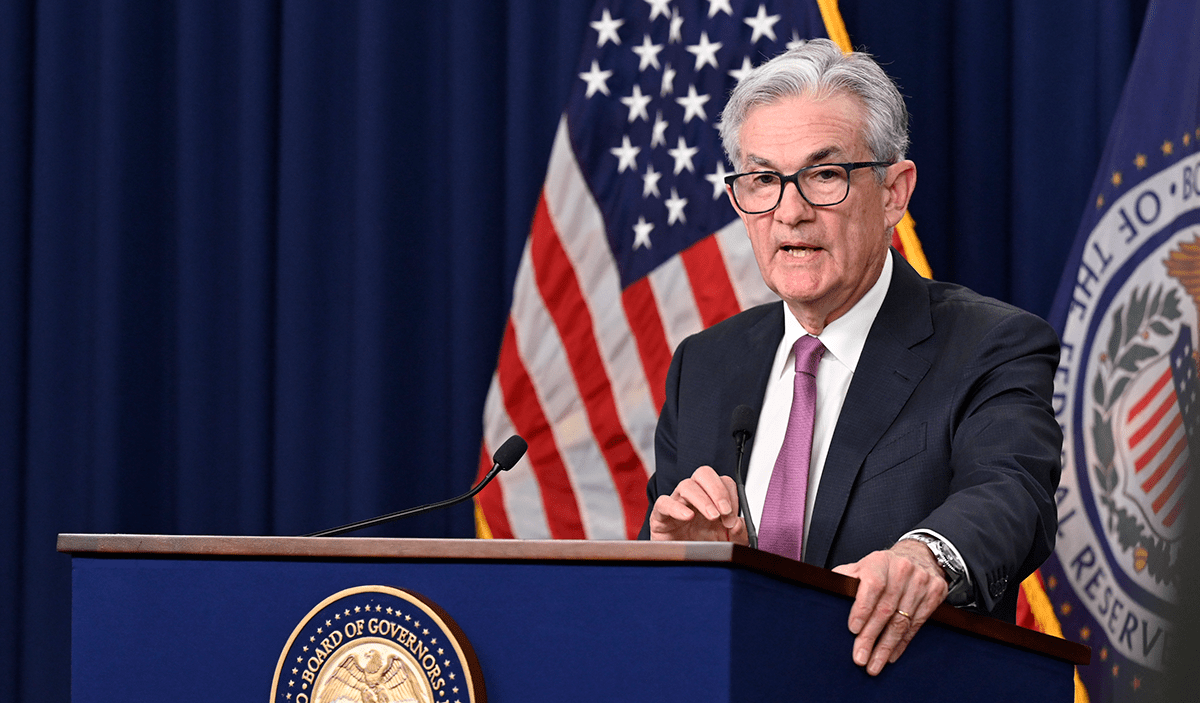
Reprising its international monetary disaster (GFC) playbook, the US Federal Reserve sought to calm the markets and prolonged speedy liquidity to stop a pandemic-induced cross-market domino impact. Earlier than the market opened on 16 March 2020, the Fed agreed to swap-line arrangements with five other central banks in an effort to ease the pressure on the worldwide credit score provide. Just a few days later, the Fed entered similar agreements with 9 different central banks.
Nevertheless it wasn’t sufficient. Earlier than the top of March, the Fed extended its provisions to much more central banks holding US Treasury securities, Saudi Arabia’s amongst them. These central banks may briefly swap their securities held with the Fed to entry speedy US greenback funding in order that they wouldn’t have to liquidate their Treasuries.
Liquidity assist for US greenback debtors will at all times be an possibility for the Fed. Such interventions present the central financial institution is dedicated to assuaging financial instability considerations and shield the financial system from monetary wreckage. Within the quick time period.
However what about the long run? Does such swift — and sometimes predictable — motion heighten the vulnerability of the monetary system? Does it create ethical hazard for central banks and market contributors?

The state an financial system is in when disaster strikes is necessary. Due to stricter regulation and the evolving Basel Accords, banks immediately are extra resilient and higher capitalized than they had been within the lead-up to the GFC. They aren’t the primary concern. However the financial system is holding extra debt and is much more susceptible to shocks. In 2020, whole international debt soared at a tempo not seen since World Warfare II amid large financial stimulus. By the top of 2021, international debt had reached a record US $303 trillion.
This extra debt has created larger systemic threat, particularly amid the latest surge in rates of interest. Corporations gorged on credit score through the straightforward cash period. Secure within the data that policymakers would intervene throughout turbulent instances, they did not construct a margin of security.
Latest market volatility — the brutal faceoffs between bulls and bears — has been pushed by hypothesis about what the Fed will do subsequent. The forwards and backwards has repeated itself typically this 12 months: Dangerous financial information units the bulls working in anticipation of a possible Fed pivot to smaller hikes, whereas sturdy GDP development or employment numbers feed the bears, elevating the chances that the Fed will sticks to its weapons. Now, because the December Federal Open Market Committee (FOMC) assembly approaches, the fairness markets have caught a bid once more on excessive hopes of a pivot.
The Fed first hiked charges this previous March, so the present mountain climbing cycle isn’t even a 12 months outdated. But indebted corporations are already exhibiting pressure. What number of extra hikes can they abdomen, and for a way lengthy? Stopping runaway inflation is vital, however so is addressing the inevitable penalties by way of rigorously crafted fiscal insurance policies that take the entire financial system into consideration.

As funding professionals, we’ve to anticipate the long-term problem. At the moment, the menace is evident: The upper rate of interest setting will expose financially leveraged firms. That implies that threat administration needs to be amongst our prime priorities and we’ve to hedge the interest rate hiking cycle. Lively asset and legal responsibility administration require we glance past the accounting affect and give attention to the economic value of equity, amongst different metrics.
The underside line is that amid financial turmoil, the answer to the approaching menace typically creates extra vital long-term risks. We must always keep away from speculating as to when or whether or not central banks or regulators will intervene. We additionally have to do not forget that simply as each financial downturn has distinctive causes, additionally they have distinctive cures.
When you appreciated this submit, don’t neglect to subscribe to the Enterprising Investor
All posts are the opinion of the creator. As such, they shouldn’t be construed as funding recommendation, nor do the opinions expressed essentially replicate the views of CFA Institute or the creator’s employer.
Picture courtesy of the US Federal Reserve
Skilled Studying for CFA Institute Members
CFA Institute members are empowered to self-determine and self-report skilled studying (PL) credit earned, together with content material on Enterprising Investor. Members can file credit simply utilizing their online PL tracker.
[ad_2]
Source link
